
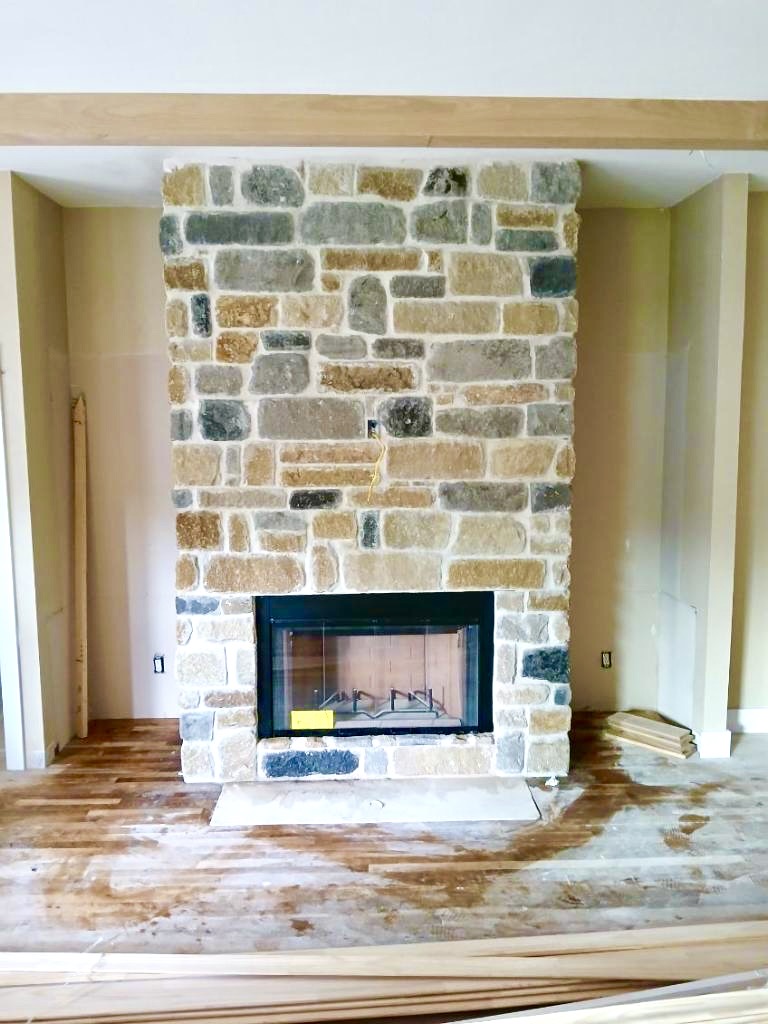
Once a year. That's the standard chimney sweeps and fire-safety groups recommend for every chimney, whether you burn wood most weekends or the fireplace hasn't seen a match since last winter. An annual chimney inspection isn't really about how much you used it. It's about everything that happened to it outside, in the weather, while nobody was looking.
In East Texas the timing matters as much as the frequency. Book that visit in late spring or early summer, before the first cool nights of fall send everyone's phone ringing at once and push a normal inspection into a two-month wait.
Why Once a Year, Even If You Barely Use It
A chimney that never sees a fire still has a full-time job: standing outside, exposed on all four sides, catching every storm and every swing between a hundred-degree afternoon and a cold snap that night. None of that cares whether you burned wood last winter. Crowns crack from age and sun. Mortar joints open up as the ground under the footing shifts. Birds and squirrels find an open flue and move in during a single unattended spring. An annual look catches all of that early, before it turns into water inside the house or a blocked flue nobody noticed until smoke had nowhere to go.
What East Texas Weather Adds to the Question
Humidity here works masonry harder than a drier climate would. Moisture soaks into brick and mortar during our wet stretches, then a hard freeze a few nights a year turns that trapped water into ice that pries joints apart from the inside. Add clay soil that swells and shrinks under the footing every season, and a chimney can develop a lean or a cracked joint faster than the same structure would in a place with steadier ground and drier air. None of this means your chimney is in trouble. It means the yearly check carries more weight here than a generic national guideline suggests.
What Actually Happens During a Visit
A basic inspection is mostly visual: a walk around the outside checking the crown, cap, and flashing where the chimney meets the roof, a look at the mortar joints for cracks or gaps, and a check inside the firebox and damper for rust, soot buildup, or creosote. If you're buying or selling a house, or if the chimney took a hit from a storm, that visit usually goes deeper, sometimes with a camera run down the flue to check the liner. Either way it's a short visit, and it tells you plainly whether you're fine for another year or whether something needs attention before you light the first fire.
Signs You Shouldn't Wait for Your Scheduled Visit
An annual inspection is the floor, not the ceiling. Move a visit up if you notice any of the following:
- A visible lean or gap between the chimney and the roofline
- Rust or heavy flaking inside the firebox or on the damper
- White, chalky staining running down the brick
- A smoky smell in the house even with no fire burning
- Water stains on the ceiling or wall near the chimney after a hard rain
We've written up the full list of chimney repair warning signs and gone deeper on why chimneys lean in East Texas if you want to check your own against the details.
The Best Time of Year to Book One Here
Late spring through summer is the quiet season for chimney work, and that's exactly when to schedule. Wait until the first cool front and you're competing with every other homeowner in Rains, Wood, Hopkins, and Van Zandt counties who just remembered they own a fireplace. We wrote a whole piece on the timing question for chimney inspections before fall in Mineola that walks through why the calendar matters as much as the inspection itself.
What Happens If You Skip a Few Years
Nothing happens fast, which is exactly the problem. A cracked crown lets in a little water. That water works on the mortar joints over a couple of freeze-thaw cycles. Joints open up, more water gets in, and a few years later you're looking at a full repoint or a rebuild instead of a hundred-dollar sealant job. Skipping inspections doesn't cause damage by itself. It just means nobody catches the damage while it's still small and cheap to fix.
When to Call
We inspect chimneys across our whole service area, from Emory out to Mineola and everywhere around Lake Fork in between, and we'll tell you straight whether yours is fine for another year or needs work now. See our fireplaces and chimneys page for how we handle inspections and repair, or our masonry repair page if you already know something's wrong. Either way, the look-over is free and the estimate is in writing before anything starts.