
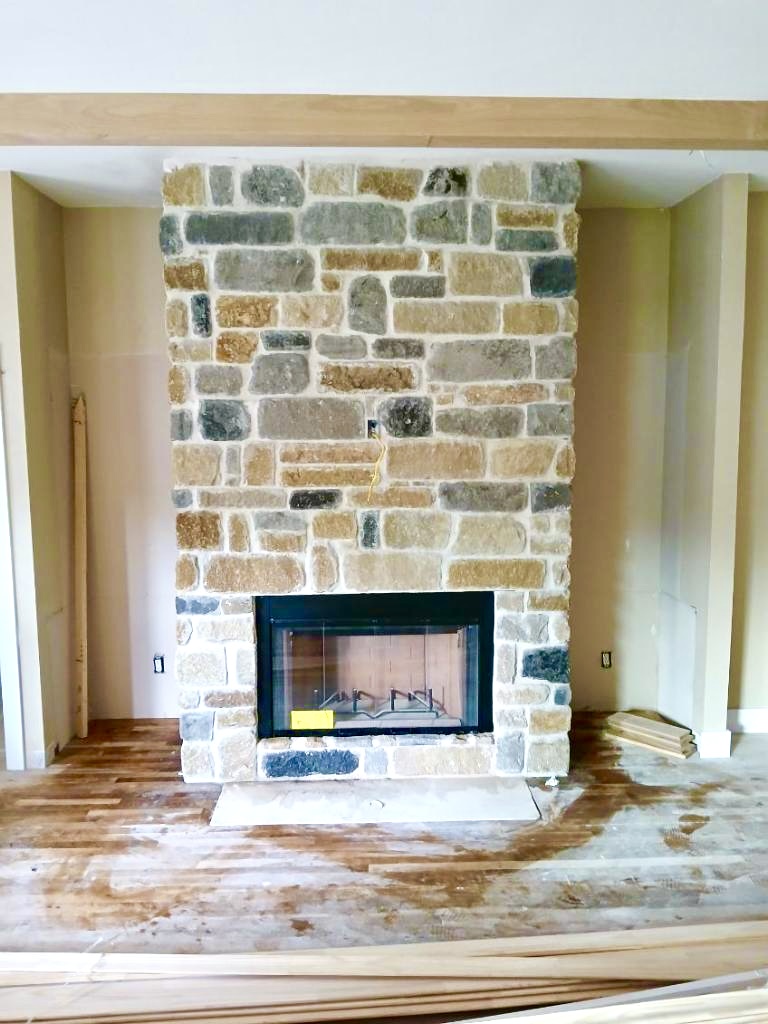
If you haven't lit a fire since last winter, your Winnsboro fireplace probably isn't ready yet. A short check of the cap, the firebox, and the flue tells you whether it's safe to use or whether it needs a mason's eye first. Do this before the first hard freeze, not after smoke backs up into the living room on a holiday weekend.
We get calls every November from Winnsboro and the towns around it asking some version of the same question: is it okay to use this thing, and who do we even call out here? Search "chimney repair Winnsboro TX" and you mostly get directory pages with no names attached, not a local crew who will actually show up. Here's what to check yourself, and what's worth a professional look.
Start With the Cap and Crown
Walk outside, stand back from the house, and look up at the top of the chimney. The cap is the small roof-like cover over the flue opening. Its job is keeping out rain, squirrels, and birds looking for a warm spot before winter. Below it, the crown is the sloped concrete surface that sheds water away from the masonry. A missing cap or a cracked crown is how most chimney problems start, because once water gets a way in, it doesn't stop at the top.
If you can't tell from the ground whether the cap is intact, a photo from a phone camera zoomed in usually settles it. No cap, cracked crown, or gaps where the crown meets the brick all mean the chimney needs attention before you light anything.
Open the Damper and Check the Firebox
Inside, open the damper all the way and look up the flue with a flashlight as far as you can see. Run a hand along the firebox walls and the damper itself. Rust, flaking metal, or a damper that's stiff and won't seat right usually means water has been getting into the flue from somewhere above. Cracked firebrick inside the box is also worth noting, since it can let heat reach wood framing that was never meant to get that hot.
Clear out old ash down to about an inch, pull any leaves or nest material the summer left behind, and make sure nothing flammable is stacked near the opening. A thin, dry layer of soot on the flue walls isn't unusual, but a thick, dark, flaky buildup is a different story. If your fireplace got regular use last winter and hasn't been swept since, or you catch a sharp, sooty smell when the damper opens, treat that as a sign the flue needs a professional cleaning before its first use this season.
What Wood County Clay Does to an Older Chimney
A lot of Winnsboro's housing stock is older, and older chimneys here tend to show their age differently than a leaky cap or sooty flue. Wood County sits on the same expansive clay as the rest of East Texas, and that soil swells when it's wet and shrinks when it dries out. A chimney's footing rides that movement year after year, and the result shows up as a crack along the mortar joints, a visible lean away from the roofline, or a gap opening between the chimney and the siding. We cover the full explanation in why chimneys lean in East Texas, but the short version is: a lean doesn't fix itself, and it's the one sign on this list that shouldn't wait for spring.
Why This Matters Before the Holidays
Winnsboro hosts a lot of family gatherings between Thanksgiving and New Year's, and a fireplace that's sat idle since February is exactly the kind of thing that gets lit for the first time with a house full of people in it. That's the worst moment to find out the cap's been missing since a spring storm. Running through this checklist in early November, before schedules fill up with out-of-town guests, gives you time to get a repair done instead of skipping the fire on Thanksgiving morning.
Finding Someone in Winnsboro Who Will Actually Show Up
Winnsboro doesn't have a lot of local options for this kind of work. Search around and you'll mostly find directory listings with thin or no reviews, not a named local crew. We're based in Emory, about thirty-five minutes away, and cover Winnsboro as part of our regular service area, alongside Sulphur Springs and Mineola. One crew handles your job start to finish, with a written estimate before any work starts.
Here's a quick rundown of what usually needs a second look versus what can wait:
- Can usually wait a little: light dust or dry residue in the firebox, minor hairline cracks in mortar joints, a cap that's dirty but intact.
- Worth scheduling soon: a cracked or missing crown, rust on the damper, firebox not used in over a year.
- Call before you light anything: a visible lean, a damper that won't open or close properly, a strong sooty smell, or any sign smoke backed up into the room the last time it was used.
Chimney repair costs vary with what's actually wrong. Repointing a few joints or resetting a cap usually runs a few hundred to a couple thousand dollars, while a chimney that's leaning or needs a partial rebuild costs more. We look at it for free and put a real number in writing before anything starts, covered in more detail on our fireplaces and chimneys and masonry repair pages.
The Short Version
Check the cap and crown from outside, check the damper and firebox from inside, clear out debris, and think honestly about when the flue was last cleaned. If everything looks solid, light your first fire with confidence. If anything on this list gave you pause, get a free look before a house full of holiday guests does it for you.