
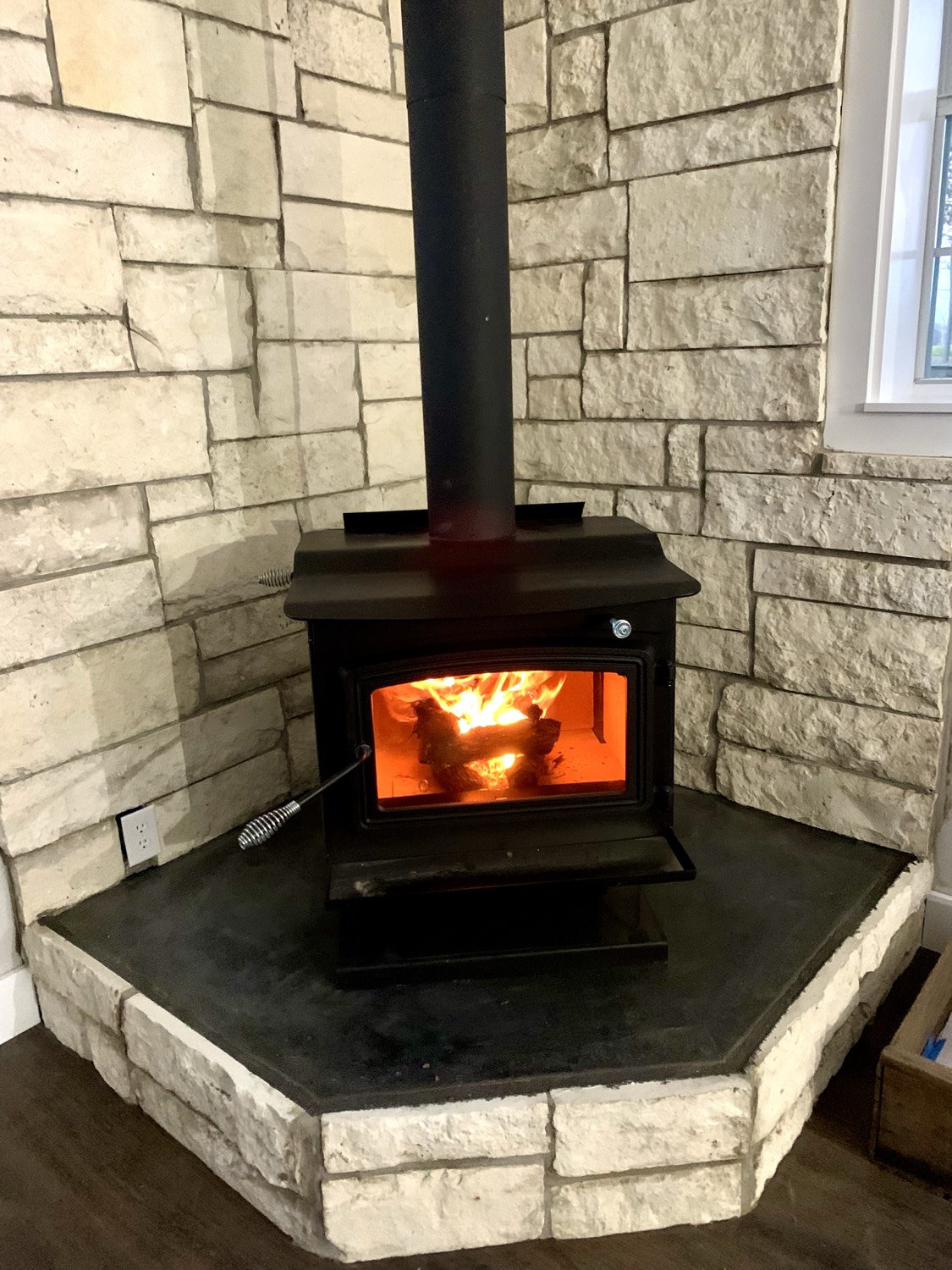
Yes, most fireplaces and wood stoves are safe to use once you've checked three things: the creosote inside the flue, the cap and crown up top, and whether the damper opens and closes the way it should. If any of those looks wrong, hold off and get a professional look before you strike a match. The check takes five minutes and the fix, if there is one, is almost always cheaper now than after a chimney fire or a flue full of rainwater.
Why the First Fire of the Year Is the Risky One
Your chimney has sat closed up since last spring. Around here that means a whole East Texas summer of humidity moving through the flue, pollen and leaves settling on the cap, and more than one homeowner who's found a bird's nest wedged behind the damper. None of that shows up until you try to use the fireplace, and by then the smoke has nowhere to go but back into the room.
It's also the fire most people skip checking. You remember to get the air conditioner serviced every spring. The chimney sits forgotten until the first cold snap, and that's exactly when a blocked flue or a season's worth of creosote turns an ordinary fire into a problem.
Check the Creosote Before You Light Up
Creosote is the dark, tar-like residue that builds up inside the flue every time wood smoke cools against the liner. A little is normal. A lot is how chimney fires start. Open the damper, shine a flashlight up into the flue from the firebox, and look at what's coating the walls.
- Light and flaky: normal after a season of use. Not urgent, worth a cleaning before winter anyway.
- Thick and crusty, like black popcorn: time to call a sweep before you burn anything else.
- Shiny, hard, almost glazed: the most flammable stage. Don't light a fire until this is removed.
A flashlight check tells you the stage. It doesn't tell you what's happening deeper in the flue or whether the liner itself has cracked, which is why an annual professional inspection still matters even for a chimney that looks fine from the bottom. We cover how often that should happen in how often a chimney should be inspected.
Look at the Cap and the Crown First
Before you even open the damper, walk outside and look up at the top of the chimney. The crown is the sloped concrete cap that sheds water away from the flue, and the cap is the screened lid that keeps rain, squirrels, and birds out of it. A cracked crown or a missing cap is how water and animals get in during the months the chimney sits idle, and it's the root cause behind most of the rust, staining, and nest problems homeowners find once the weather turns cold. We walk through what a damaged crown or cap leads to in six warning signs your chimney needs repair.
Test the Damper and Clear the Flue
Open and close the damper a few times. It should move smoothly and seal tight when shut. A damper that's stuck, rusted, or won't fully close usually means water has been getting into the flue over the summer, not just dust and disuse. If you hear scratching, see nesting material, or smell something musty when you open it, stop and get the flue checked before lighting anything. Wasps, squirrels, and birds all find an unused chimney appealing, and a blocked flue pushes smoke and carbon monoxide back into the house instead of up and out.
Signs You Should Skip the Fire and Call Someone
A flashlight check and a look from the yard cover the basics, but a few signs mean stop, don't light a fire, and call before you do anything else:
| What you see or smell | What it usually means |
|---|---|
| Smoke smell with no fire burning | Creosote and humidity pulling back down the flue |
| Rust on the damper or firebox | Water has been getting into the flue |
| A visible lean or gap at the roofline | Footing movement, a structural issue |
| Glazed, shiny creosote inside the flue | High chimney fire risk |
If your house in Sulphur Springs or anywhere nearby smells like smoke even when the fireplace is cold, we've seen that one enough times to write about it on its own: why your fireplace smells like smoke. A visible lean is its own category of urgent, and we cover what causes it in why chimneys lean in East Texas.
Getting Ready for a Safe Winter in East Texas
Most of this is quicker than people expect. The flashlight check, the walk around the yard to eyeball the crown and cap, and running the damper open and shut takes less time than it takes the first fire to get going. If everything looks clean and tight, light the fire and enjoy it. If something looks off, that's exactly what a free look-over is for. We serve chimneys from Emory out to Lake Fork, including the lake homes that sit closed up all summer and get their first real use once the weather cools.
We handle both ends of this: a fireplace and chimney look-over to tell you whether you're clear to burn, and the masonry repair work when the crown, cap, or firebox needs real attention. No scare tactics, no pressure, just a straight answer in writing before anything starts. Request a free estimate or call us before you light that first fire.